



- Life & Culture
12 Weird & Wonderful Japanese Ice Cream Flavors
Frozen desserts and sweet treats are very popular in Japan, including ice creams and ice shaving-based puddings.
Just like the US, Japan has its own tastes and nostalgic flavors from when you were young, and this doesn’t stop when it comes to ice cream. From Miso to Sake, Japan has changed the game when it comes to weird and wonderful ice cream flavors.
Here are our top 12 weirdest ice cream flavors and where to find them on your trip to Japan.
1. Garlic Ice Cream
A savoury flavor that packs a punch of umami, garlic is a popular ice cream flavor in Japan. It’s often described as a caramelized flavor, adding a tasty twist to a cold dessert.
Garlic ice cream is known to be a favorite in the Takko Garlic Centre (田子町ガーリックセンター売店), so make sure to visit there if you want to try the best garlic ice cream in Japan! This ice cream is suitable for vegetarians.
2. Wasabi Ice Cream
Another savoury flavor from Japan, Wasabi is known as a spicy addition to sushi platters and snacks. However, you can now enjoy its heated flavor in a cooling dessert, the perfect balance for all spice seekers!
The best place to try this weird ice cream flavor is most of the wasabi farms in Japan, our recommendation is in Nagano, a specialist place called Wasabi Soft Serve (本わさびソフトクリーム). Wasabi ice cream is also known as Japanese Horseradish ice cream, so if you see this on your travels to Japan, just know it will be the same flavor. Wasabi-flavoured ice cream is suitable for vegetarians.
3. Crab Ice Cream
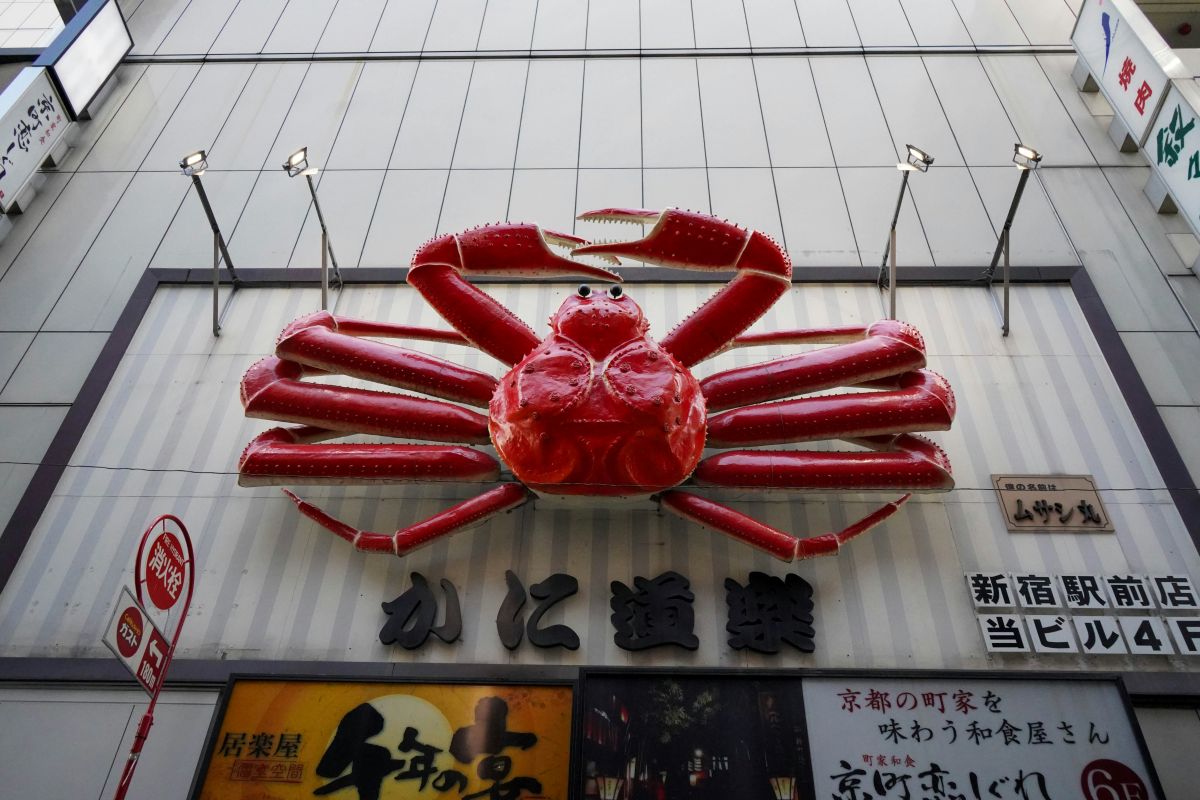
Sticking with the savoury flavors again, but this time with a seafood edge, crab ice cream is another strange flavor in Japan. Crab ice cream is a popular dessert in most fishing towns of Japan, creating a tasty, sweet treat with their main town exports.
If you’re a fan of seafood and want to try a weird ice cream flavor during your visit to Japan, make sure you check out Kani Doraku Restaurant (かに道楽 道頓堀 東店) in Osaka. This particular ice cream flavor contains crab meat, so isn’t suitable for vegetarians.
4. Miso Ice Cream
Miso is often used to add flavour to dishes in Japan, used mainly in seasoning, sauces and glazes. However, you can now try its salty, rich flavor in ice cream form! The traditional Japanese flavor is blended into an ice cream mix, delivering the perfect balance of sweet and salty.
This is a fan favorite, due to its roots within Japanese history and culinary background. As this flavor is not the weirdest available in Japan, it’s more readily available to find and try. The most popular spot is Hana Ice (アイス) in Kyoto. The miso ice cream available is suitable for vegetarians.

5. Soy Sauce Ice Cream
Following the trend of miso, soy sauce is a traditional seasoning used in Japan for sauces, glazes, and to complement sushi dishes. This deep historical standing with Japanese cuisine makes it the perfect combination to try in ice cream form, creating an umami flavor to complement a traditional staple.
Finding a soy sauce ice cream in Japan will mean a visit to a soy sauce brewery so you can learn about the history of soy sauce, how it’s brewed and try the uniquely weird ice cream flavor!
The top spot for soy sauce ice cream is the Marukin Soy Sauce Museum (マルキン醤油記念館), where you can visit the historic setting and try a soy sauce ice cream. Soy sauce ice cream is vegetarian-friendly.
6. Sakura (Cherry Blossom) Ice Cream
Moving onto a sweeter taste here, but still heavily steeped in Japanese tradition, sakura (cherry blossom) ice cream! The sakura ice cream is a perfect spring treat, with a slightly floral taste and a pastel pink colour, you could mistake this for strawberry ice cream at first glance.
As the cherry blossom trees bloom in spring time, it’s a great time to visit Japan or visit the tree hotspots whilst you’re there as an ALT.
Soak in the cultural side of Japan and pair it with a deliciously weird sakura ice cream. You can find sakura ice cream at local 7/11 stores and Baskin-Robbins. However if you want a more elegant sakura soft serve, then visit the Saryo Tsujiri Tea House (茶寮都路里 祇園本店). Sakura ice cream is suitable for vegetarians.

7. Purple Sweet Potato Ice Cream
With a purple hue, this ice cream is vibrant in both flavor and aesthetics. The purple sweet potato, otherwise known as yam, is a popular flavor for dishes and desserts in Japan. The ube flavour has now travelled across to the UK and US, with it often being added to iced coffees and desserts.
The purple sweet potato ice cream is usually found on menus in the fall, with its earthy and nutty flavor. The best purple sweet potato ice cream is found in a famous Japanese ice cream chain called Blue Seal Ice Cream, which has stores all around Japan! Keep an eye out for this weird ice cream flavor if you’re travelling Japan between September and December.
8. Pumpkin Ice Cream
Staying within the fall theme, pumpkin ice cream is another weird ice cream flavor that is popular in Japan. Due to the rise of pumpkin-based food and drink in the US and UK, chains such as Starbucks have this available for customers around Halloween time in Japan.
This is a taste you may feel you’ve already tried, but not usually with ice cream. The flavor is often described as earthy but paired with cinnamon notes to give it that fall feeling.

9. Olive Ice Cream
Olives are usually associated with more European countries, however you can now try this weird ice cream flavor in Japan. Olive flavored ice cream has now reached its biggest popularity, due to it being a less sweeter dessert flavor than most.
With its bitter taste it can often feel more of a savory dessert, perfect for those who want to enjoy an ice cream but don’t have a huge sweet tooth. The Shodoshima Olive Park (道の駅小豆島オリーブ公園) is the best place to enjoy an olive ice cream as the island is the biggest olive producer in Japan.
10. Yuba Ice Cream
During the tofu making process, skin often forms on the top of soymilk when its heated and this produces yuba. This is from Kyoto and is seen as a delicacy in Japan, so it’s only natural for it to become an ice cream flavor and move from savory to sweet.
Yuba is already a sweeter-tasting savory flavor, so adding this to a cooling ice cream dish is a perfect pairing. Try yuba ice cream at Kyo Yuna Kobo (京ゆば工房). This ice cream flavor is suitable for vegetarians.
11. Octopus Ice Cream
Similar to the crab meat ice cream, octopus is a common dish in Japan so adding it to your desserts makes sense! It’s a taste people know and love, adding a briny, seafood twist to your ice cream.
You can often find this ice cream in stores in Japan, however if you’d like a more specialist octopus ice cream then visit Nikishi Market (錦市場) and explore the delicacies on offer. Octopus ice cream isn’t suitable for vegetarians.
12. Seaweed Ice Cream
Another sea-based flavor, widely used in most Japanese cuisine, seaweed is a staple within sushi, seasonings and soup dishes however, it’s now made its way into the desserts. Most ice cream parlours will offer seaweed as a sprinkle on top of your ice cream, but some specialist places offer actual seaweed flavor ice cream.
Adding a bold flavor to your dessert, seaweed is a vegetarian alternative to anyone who cannot eat crab or octopus ice cream but still want an ocean-flavored cooling treat. Most coastal towns in Japan will offer seaweed soft serve, meaning you can visit local ice cream vendors to get your hands on this weird ice cream flavor quite easily.
Become an ALT in Japan
If the weird and wonderful ice cream flavors of Japan have got you craving a visit, then why not explore the opportunity of becoming an ALT (Assistant Language Teacher) in Japan?
Experiencing the culture, food and scenery whilst teaching English with Interac. Contact us today to find out more and start your journey with Interac.
Hungry to find out more about Japanese desserts? Check out our review of Sweets Paradise!
